Porsche Cayenne Turbo (E3) Tuning Guide 2026 — Body Kits, Wheels & Performance


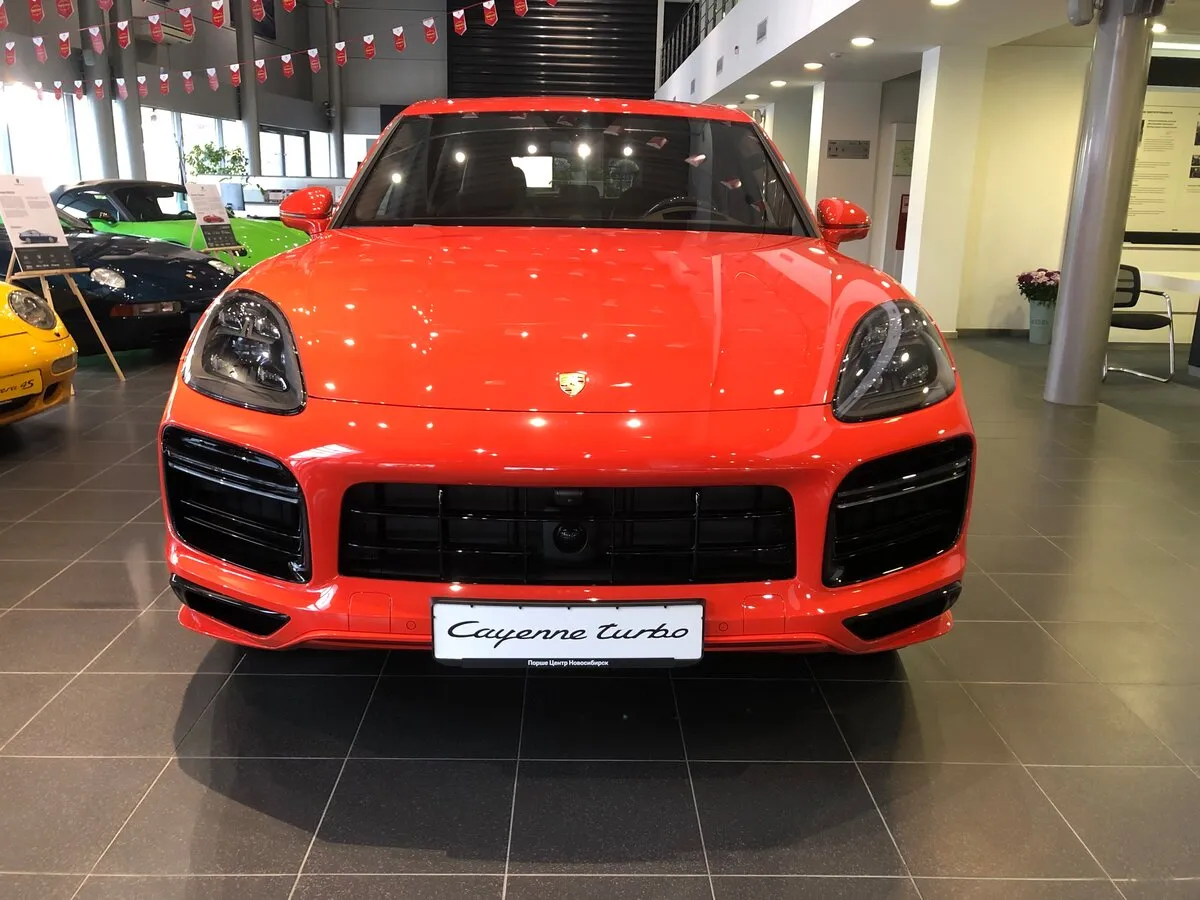
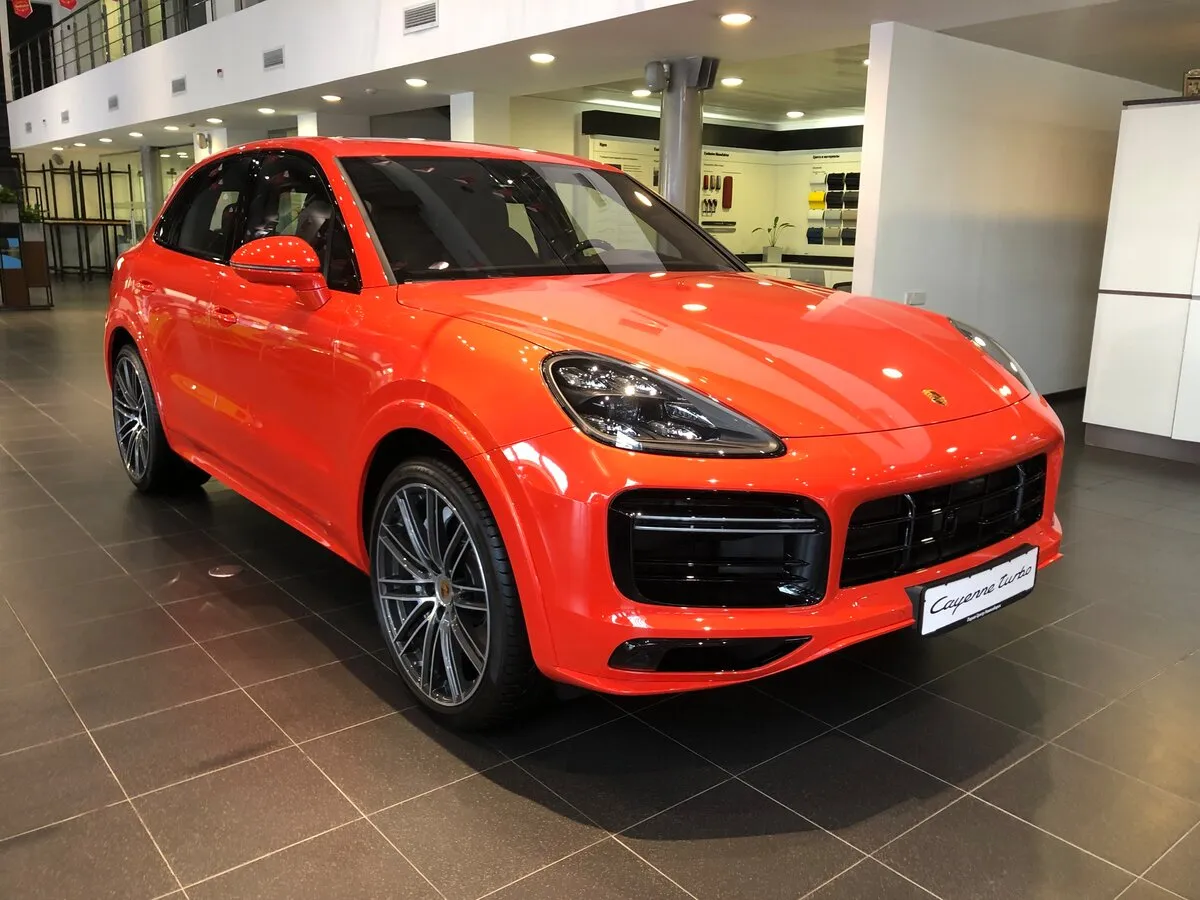
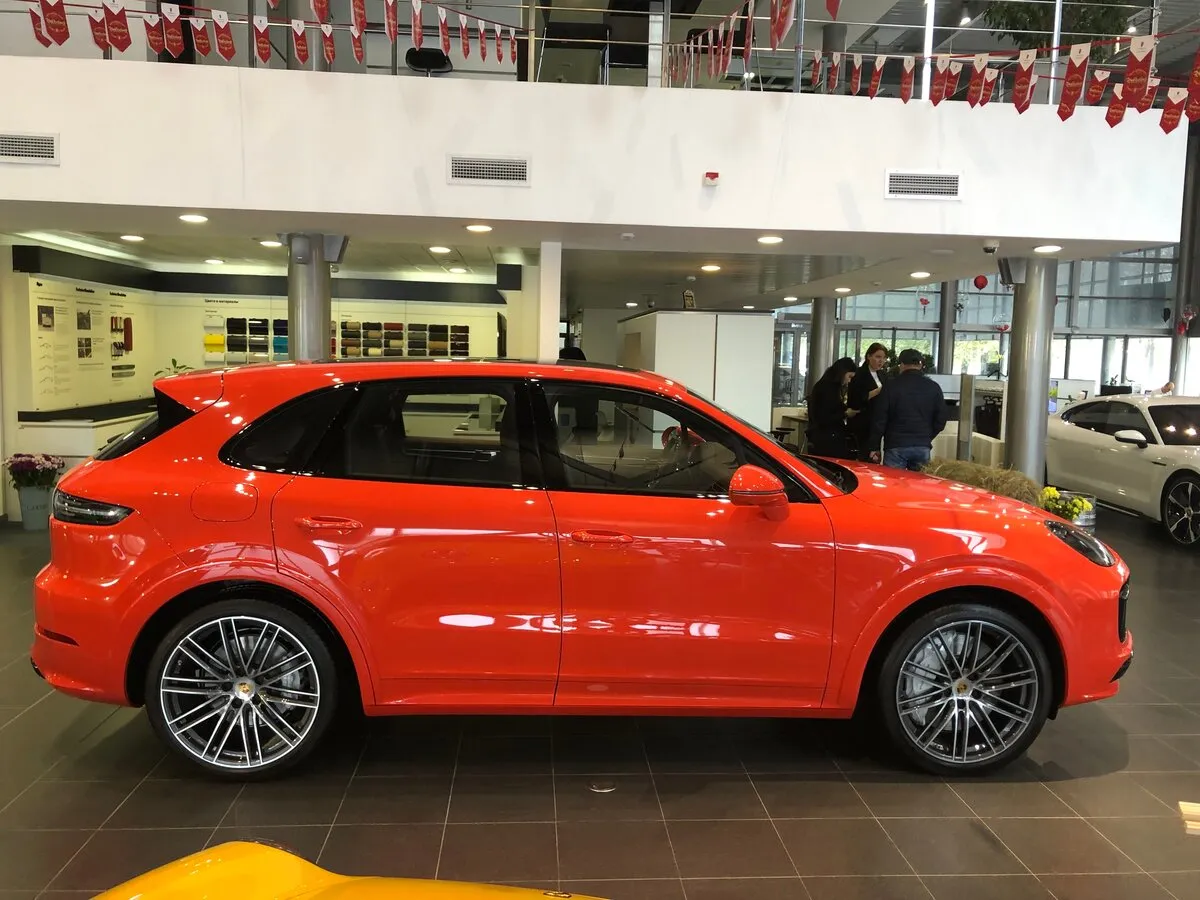
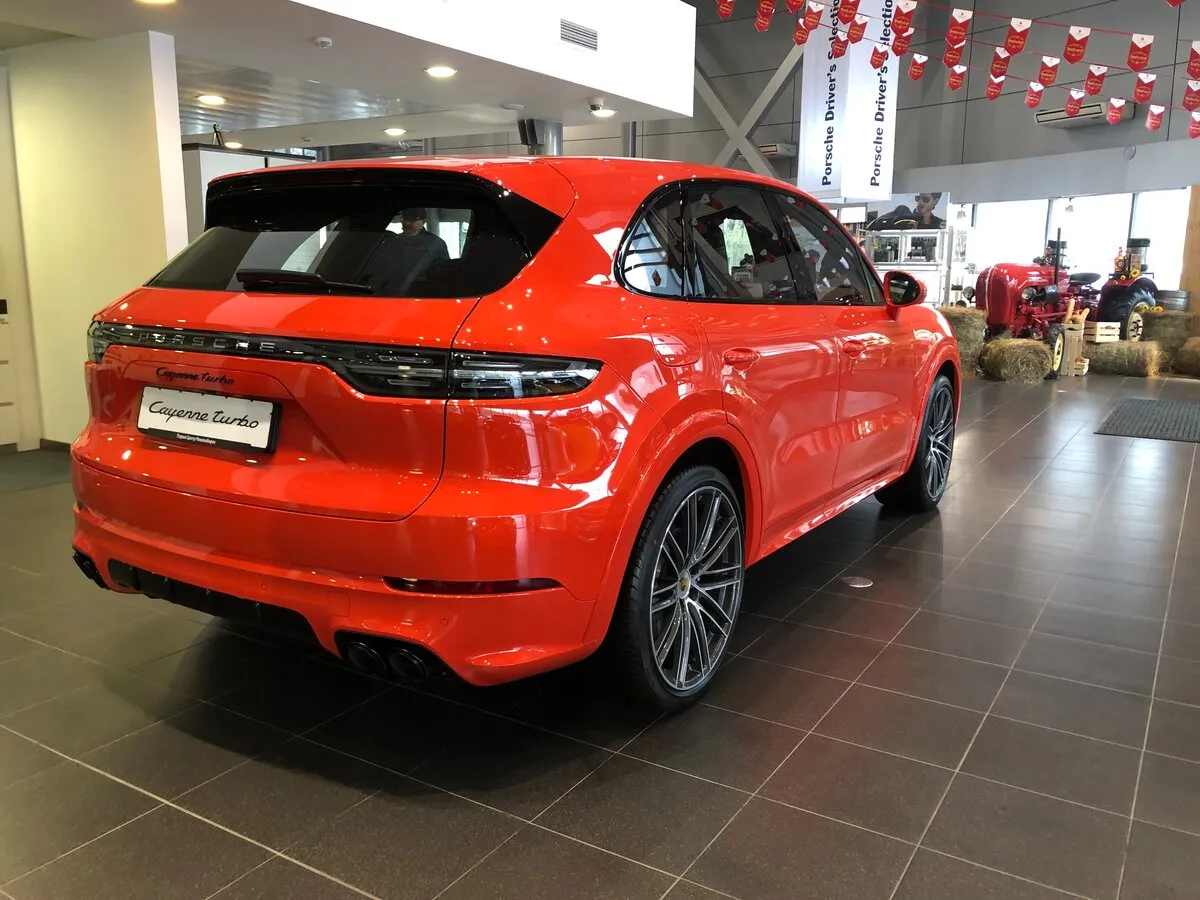
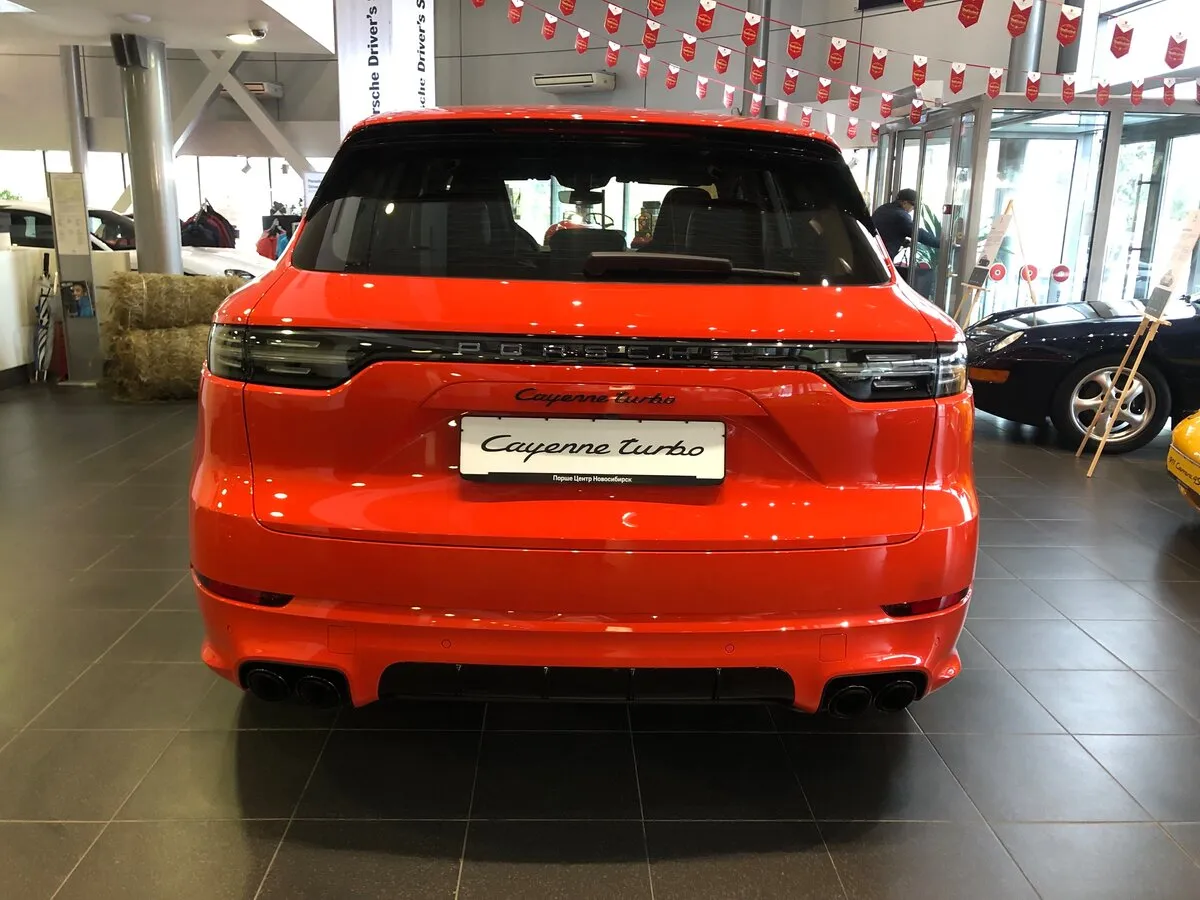
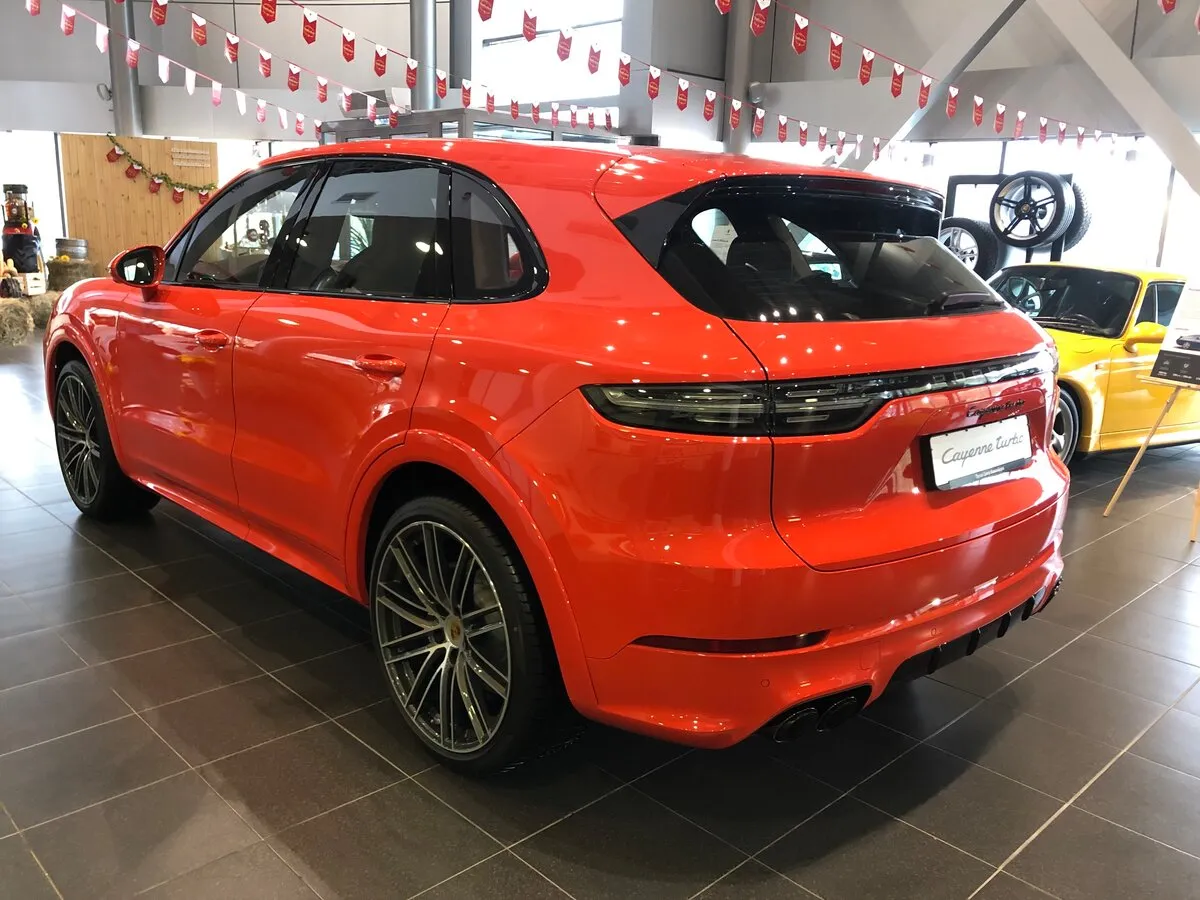
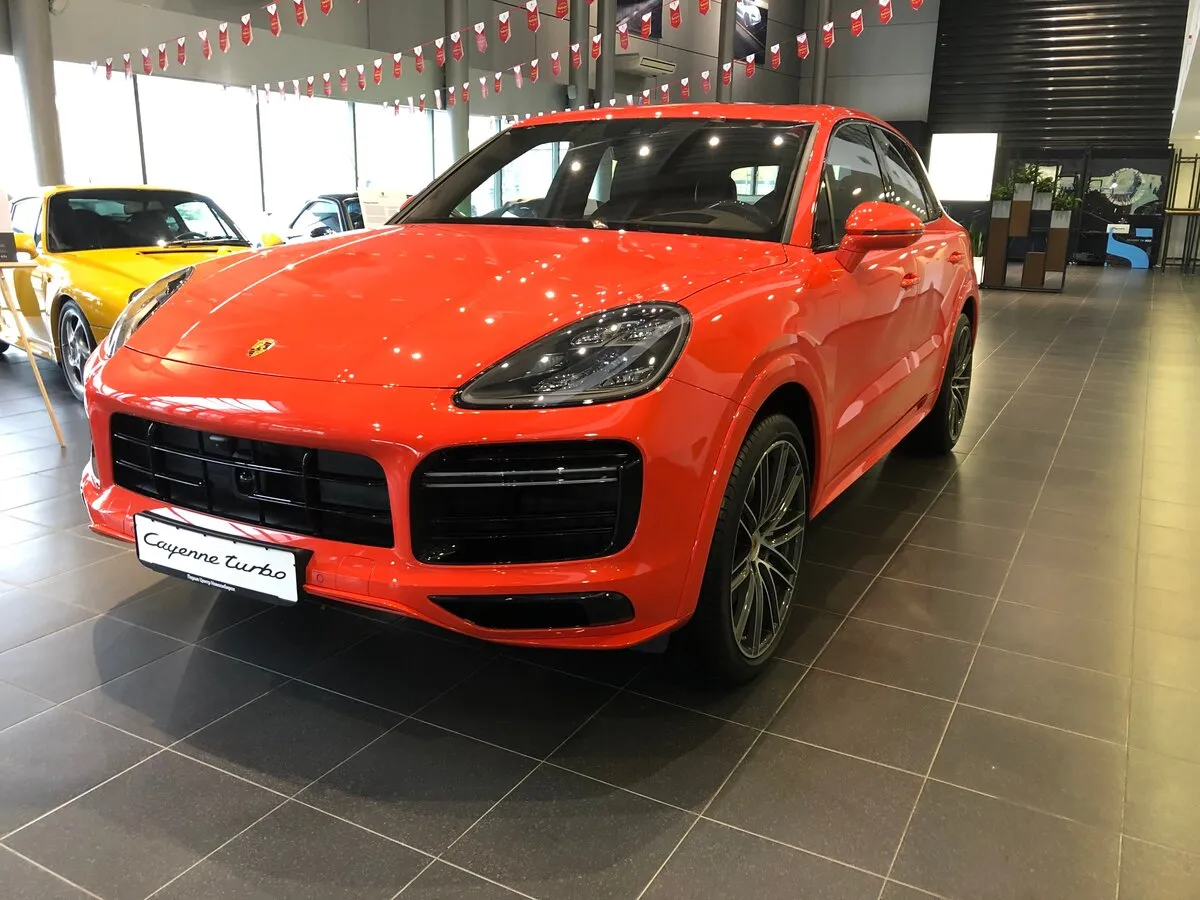
The Porsche Cayenne Turbo (third-generation E3, launched 2018) is the apex hunter of the SUV world — a 2.2-tonne family hauler with the twin-turbo V8 soul of a 911 Turbo and the all-wheel-drive composure of a Panamera. Underneath its understated body sits the Volkswagen Group MLB Evo platform shared with the Audi Q7, Audi Q8, Audi RS Q8, Lamborghini Urus and Bentley Bentayga — a family tree that unlocks an enormous cross-brand ecosystem of tuning parts. This guide covers every meaningful upgrade available for the Cayenne Turbo E3: body kits from the blue-chip Porsche aftermarket houses, forged wheels in the right sizes and offsets, Stage 1/2 ECU work that exploits the 4.0-litre EA825 V8, and the sort of suspension and brake options that actually matter on a car this heavy and this fast. The Cayenne Coupe (with its sloping roofline) is a separate body style and is covered in our dedicated Coupe guide.
Cayenne Turbo E3 — Key Specifications
Platform Overview
Because the Cayenne E3 sits on MLB Evo, a huge amount of engineering knowledge transfers across the family: the EA825 4.0-litre twin-turbo V8 in the Cayenne Turbo is essentially the same architecture as the Audi RS Q8 and Lamborghini Urus engines, just in a different state of tune. That shared DNA matters for tuning — exhaust manifolds, intercooler geometry, turbo hardware and ECU maps developed for one platform usually adapt cleanly to the others. Where the Cayenne differs from its siblings is in the specifics of the body: different overhangs, different rear-quarter width, different front intake geometry. So a body kit designed for a Q8 will not bolt onto a Cayenne, but a Cayenne Turbo happily takes forged wheels and driveline parts engineered for the Urus and RS Q8 ecosystem, and that is where a lot of the platform's tuning value lies.
Body Kits
TechArt Magnum — the reference widebody
TechArt is the most established Porsche tuner on earth — the firm has worked exclusively on Porsche cars since 1987 — and the Magnum programme is its flagship Cayenne widebody treatment. The Magnum kit adds pronounced front and rear fender flares (roughly +60 mm per side on the third-generation car), a deeper front apron with enlarged intakes feeding the intercoolers, a sculpted rear diffuser integrated with the quad exhaust, a subtle rear spoiler extension and new side skirts. Every panel is produced in Porsche OEM-specification polyurethane with factory paint-match quality, and TechArt co-develops the aerodynamic package with its own forged wheel line so the stance sits exactly right. The Magnum is the kit to choose if you want a widebody Cayenne that still reads as unmistakably "Porsche" rather than as a tuner car — visually restrained, aerodynamically justified, and universally accepted by Porsche specialist shops for installation.
Mansory Coastline — carbon-everything bombastic
The Mansory Coastline kit is the opposite philosophy — full exposed-carbon fender flares, a massive new front lip with canards, a reprofiled bonnet with carbon vents, a carbon roof spoiler and a pronounced rear diffuser. Mansory delivers the Coastline in either gloss or matte twill-weave carbon and matches it with a complete interior retrim programme: carbon dashboard, Alcantara roof liner and Mansory-branded sill plates. This is the loudest possible Cayenne Turbo and is aimed squarely at the Dubai/Monaco clientele — it turns every head on the Avenue Princesse Grace but will not fit into a standard Porsche Centre service bay without the bumper off.
Hofele Design HCX — elegant grand-tourer
Hofele works primarily on Mercedes but has a Cayenne HCX programme that tones the car in the opposite direction — more formal, more executive, closer to a Panamera Turismo in proportion. The HCX package includes a more conservative front apron, bright-metal window surrounds, restyled rear valance and Hofele's 22-inch forged wheels. It is the kit to specify if you want the car to read "UHNW chauffeur-driven" rather than "lifted enthusiast build", and the paint-match and panel fit are among the best in the industry.
Lumma CLR — aggressive stance specialist
Lumma's CLR programme for the Cayenne has been running since the Cayenne 955 era, and the E3 version continues the formula: a very wide rear-quarter flare, deep front splitter with integrated LED DRL strip, side skirt extensions and a ducktail-style rear spoiler. Lumma pairs its kits with its own 23-inch forged CLR wheels — big, single-piece forged designs that fill the arches completely. The CLR is loud, lowered and very Euro-tuned-SUV in flavour, and remains the go-to widebody option for owners who want something noticeably more aggressive than TechArt but less baroque than Mansory.
JE Design Vogue & TopCar Vantage — specialist alternatives
The German tuner JE Design offers its Vogue programme for the E3 Cayenne — a carbon-weave wide-arch kit developed in-house with a focus on actual downforce numbers rather than just visual drama, with a carbon rear wing option that is wind-tunnel validated. TopCar Design (the Moscow-based house that originally coined the "Vantage" name for its Cayenne widebody treatment) offers a comprehensive Vantage package for the E3 with full carbon fender flares, a reprofiled nose and the house's trademark quad-outlet centre-exit exhaust integration. SpeedART also produces a lighter-touch programme for owners who want just the front apron and diffuser without the full widebody commitment.
Wheels
The Cayenne Turbo E3 runs a 5x130 PCD with a 71.6 mm centre bore — the same Porsche-specific pattern used by the 911 and Panamera. Factory fitments are 20-, 21- or 22-inch; aftermarket builds typically go to 22 or 23 inch, very rarely 24. The practical sweet spot is 22×10.0J ET50 front, 22×11.5J ET58 rear, wrapped in 285/40 ZR22 front and 315/35 ZR22 rear — that gives a full wheel-face within the factory arches on a non-widebody car, and allows for Michelin Pilot Sport 4S or Pirelli P Zero PZ4 tyre selection. On a widebody TechArt Magnum or Lumma CLR build, step up to 23×10.0J ET45 front / 23×12.0J ET55 rear with 295/35 ZR23 and 315/30 ZR23. Stick to forged construction from Anrky (single-piece forged mono-block or three-piece), HRE (P100SC, S1SC or the RS315M range), Vossen Forged (S17-01, HF Series) or TechArt's own Formula V / Formula VII line. Avoid cheap cast wheels — the Cayenne Turbo's mass and torque will stress-crack anything that is not properly forged, particularly under hard braking into tight corners. Budget 18-24 weeks for a proper forged set in custom spec, and insist on TPMS-integrated valve stems (the E3 uses the Porsche 433 MHz system).
Performance
The EA825 4.0-litre twin-turbo V8 is one of the most tunable engines in the VW Group catalogue. A clean Stage 1 ECU flash — APR's Stage 1 calibration is the reference — takes the Cayenne Turbo from 550 hp / 770 Nm to roughly 620 hp and 880 Nm on 98-octane, with no hardware changes required and the factory Tiptronic remapped to tolerate the extra torque. Litchfield in the UK offers a similar Stage 1 product with slightly more conservative ramp-in on the low-boost end, which some owners prefer for daily driving. Moving to Stage 2 with a full cat-back exhaust and upgraded intercoolers lifts output to around 670-690 hp. The flagship option is Manhart Performance's MH3 700 or MH3 800 package, which combines ECU, downpipes, high-flow intercoolers, uprated fuel-system hardware and the Manhart cat-back to deliver 700+ hp reliably — on the MH3 800 programme, turbos are swapped and the engine is re-built to support sustained 800 hp output. For exhaust-only owners, the Akrapovic Evolution system for the Cayenne Turbo is the gold standard: Inconel construction, valve-controlled, perfect fit, TÜV approved and around 22 kg lighter than the factory system. Capristo and Armytrix offer similar products at slightly lower price points.
Suspension, Brakes & Lift
The Cayenne Turbo's three-chamber PASM air suspension is capable on its own, but owners who go to 23-inch wheels or fit a lowering module will often pair the car with KW HLS hydraulic lift on the front axle — a must-have if you are running a deep front splitter and need to clear steep driveway ramps, private garage thresholds or the ferry ramp at Nice. For track-biased builds, PCCB carbon-ceramic brakes are worth the factory option, and Mountune offers pad upgrades for both PCCB and the steel/PSCB systems. Mansory and TechArt both offer their own lowering modules for non-lift builds.
Interior
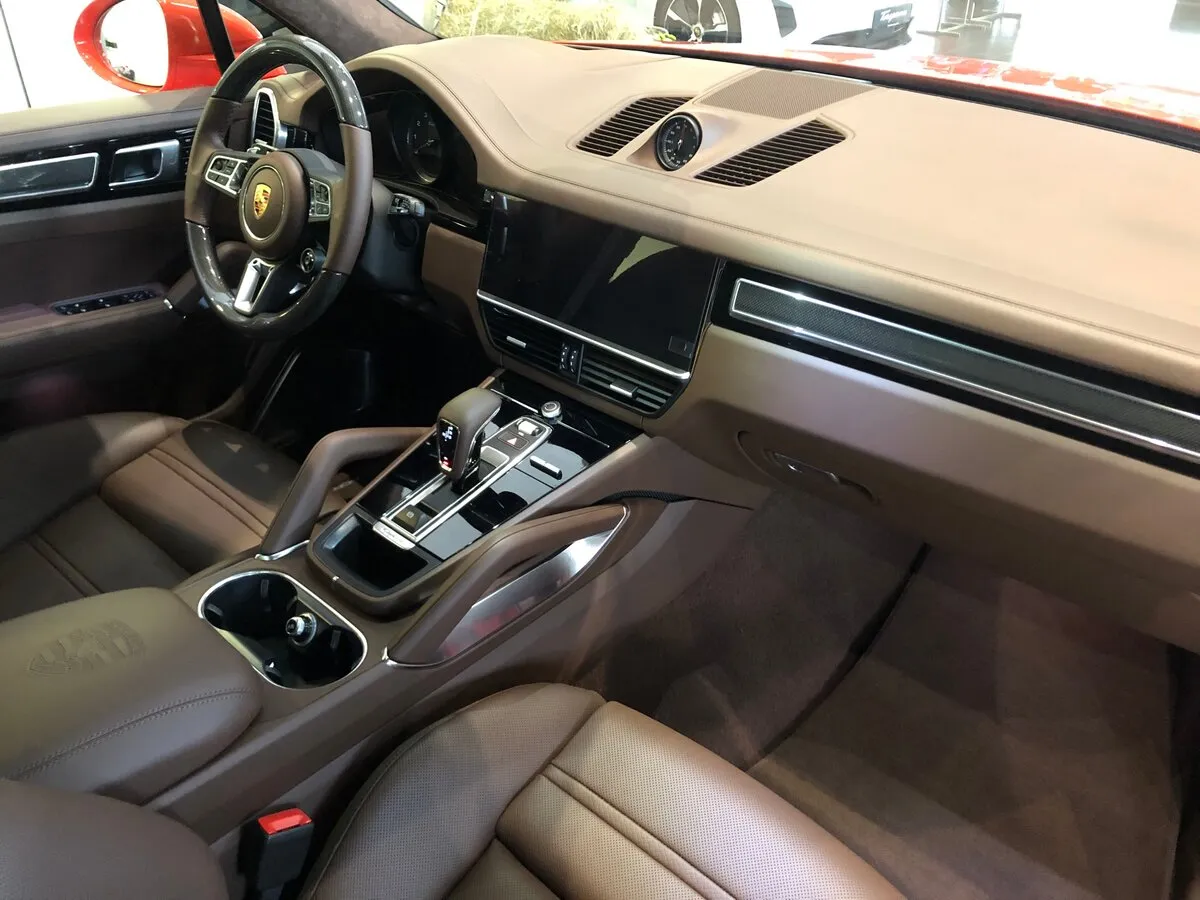
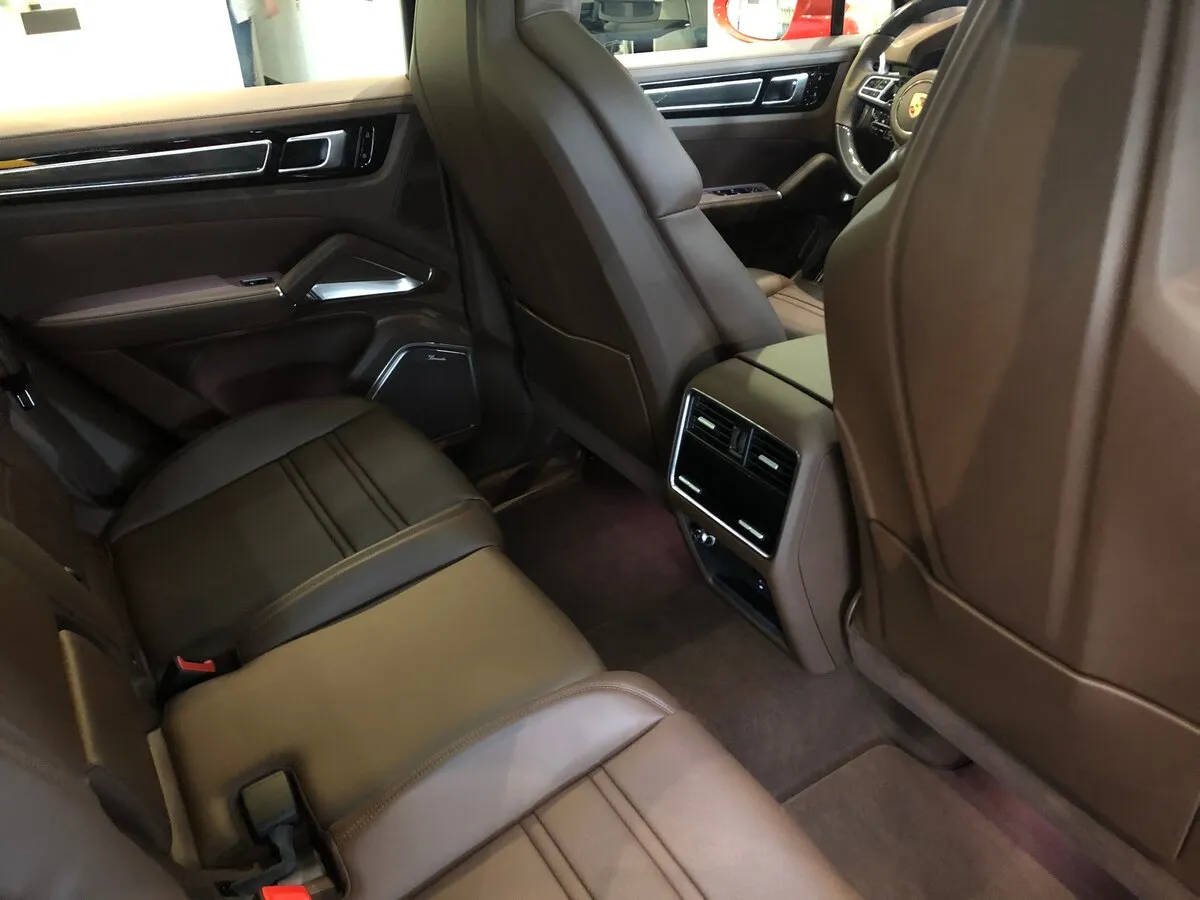
TechArt offers the most comprehensive interior programme — full leather retrim in any Porsche-approved hide, carbon-fibre trim, Alcantara headliner and bespoke stitching patterns. Mansory's cabin work is louder and more colour-contrasted; Hofele is more conservative and executive. All three houses can retrofit four-seat executive rear configurations with twin captains' chairs and a centre console refrigerator.
What a Real Install Looks Like — TechArt Magnum Widebody
Here is what the actual build looks like when a TechArt Magnum widebody conversion lands at a Porsche specialist shop. The crated kit arrives on a three-pallet shipment from TechArt in Leonberg — painted, labelled by zone, with the fender flares, front and rear aprons, bonnet vents, side sills, diffuser and rear spoiler all in matched Carrara White paint to the customer's VIN. Day one is bumper drop: front and rear bumpers come off, the OEM front splitter and diffuser are set aside, headlights are unplugged and removed so the front crash bar can be accessed. Day two is the wheel arch surgery — the factory arch lips are trimmed to accept the +60 mm flares without pinching tyre, and the inner wheel-well liners are modified to clear the new tyre envelope; this is the step most owners underestimate, because a poorly trimmed arch will chew a 295-section tyre inside six months. Day three is structural bonding and mechanical fasteners: the flares go on with a mix of TechArt's structural PU adhesive and hidden M6 studs, with 24 hours of cure time clamped before anything is stressed. Day four is paint-match verification and panel alignment — every gap is checked with a feeler gauge, and if a panel is even 1 mm off plane it comes back off. Day five is suspension dial-down via PASM coding (the car needs a ride-height recalibration so the three-chamber system reads the new geometry correctly), headlight beam realignment after the new front apron, PDK/Tiptronic pedal-box recoding if needed, KW HLS hydraulic front lift installation (four hours on a lift), wheel torque to 160 Nm on the new forged set, four-wheel alignment on a Beissbarth rig, and a shakedown drive to verify that nothing rattles, rubs or squeaks. Typical total shop time: five working days, with the car on a lift for roughly 36 of those hours.
Frequently Asked Questions
Will a Cayenne Turbo E3 tuning kit void my Porsche warranty?
In most EU and UK markets, Porsche operates on a "magnuson-moss"-style approach in practice: a non-invasive cosmetic modification (body kit, wheels, exhaust) will not void unrelated warranty items such as electronics or infotainment. However an ECU flash that increases boost pressure, or a turbo hardware swap, can void powertrain warranty on the engine and transmission — which is why reputable tuners like APR, Litchfield and Manhart document their work carefully and some offer their own parallel warranty product. Always ask your specialist to document the pre-install condition and to provide a statement of work in writing before the car goes on the ramp.
Can I fit 23-inch wheels without rubbing on a standard-body Cayenne Turbo?
Yes, but only with the right spec. You need a forged construction, an offset of ET45-50 on the front and ET55-60 on the rear, tyres no wider than 295/35 ZR23 front and 315/30 ZR23 rear, and the PASM air suspension at its middle ride-height setting. At full-low with an aggressive offset the factory arch lip will foul the tyre on compression. If you want a proper 23-inch fitment on full lowered ride height, budget for the TechArt or Lumma wide-arch conversion — that is really what those kits are designed to accommodate.
Is the Turbo GT programme available for the standard SUV body?
Officially no — the factory Turbo GT was sold only as the Cayenne Coupe body style, with a unique rear wing, titanium exhaust and track-biased chassis tune, rated at 631 hp. However, a TechArt or Manhart programme on a standard-body Turbo can functionally match the GT's performance envelope: an APR Stage 2 or Manhart MH3 700 conversion delivers similar or greater horsepower, and the chassis can be tightened further with PDCC 48V active anti-roll, stiffer PASM maps, uprated bushings and PCCB brakes. It is a cleaner route to a 700+ hp Cayenne than searching for a used Turbo GT, and lets you keep the practical five-seat SUV silhouette rather than the sloping Coupe roof.
How long does a full widebody + wheels + ECU build take to deliver?
From order confirmation to car-ready, budget 14-20 weeks for a full TechArt Magnum package with forged 23-inch wheels and an APR Stage 2 calibration. The critical-path item is usually the forged wheel set — Anrky, HRE and Vossen Forged all quote 10-16 weeks depending on specification and finish. Body kit lead time from TechArt or Mansory is typically 6-10 weeks in the customer's VIN-matched paint. ECU tuning and exhaust are off-the-shelf items and add only a few days. We sequence the build so the car is collected, wheels and kit arrive together, install takes one working week as described above, and the finished car ships door-to-door by enclosed transport (EU), secure container (worldwide) or airfreight where the timeline demands.