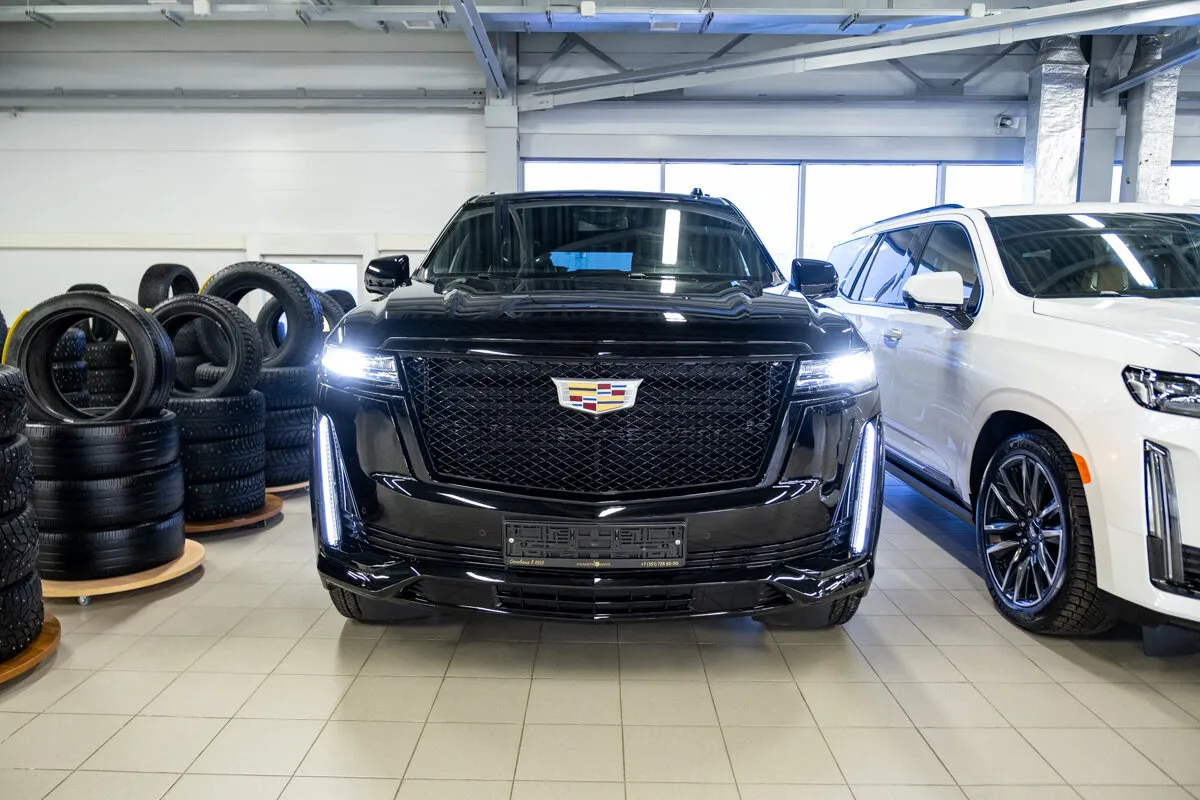
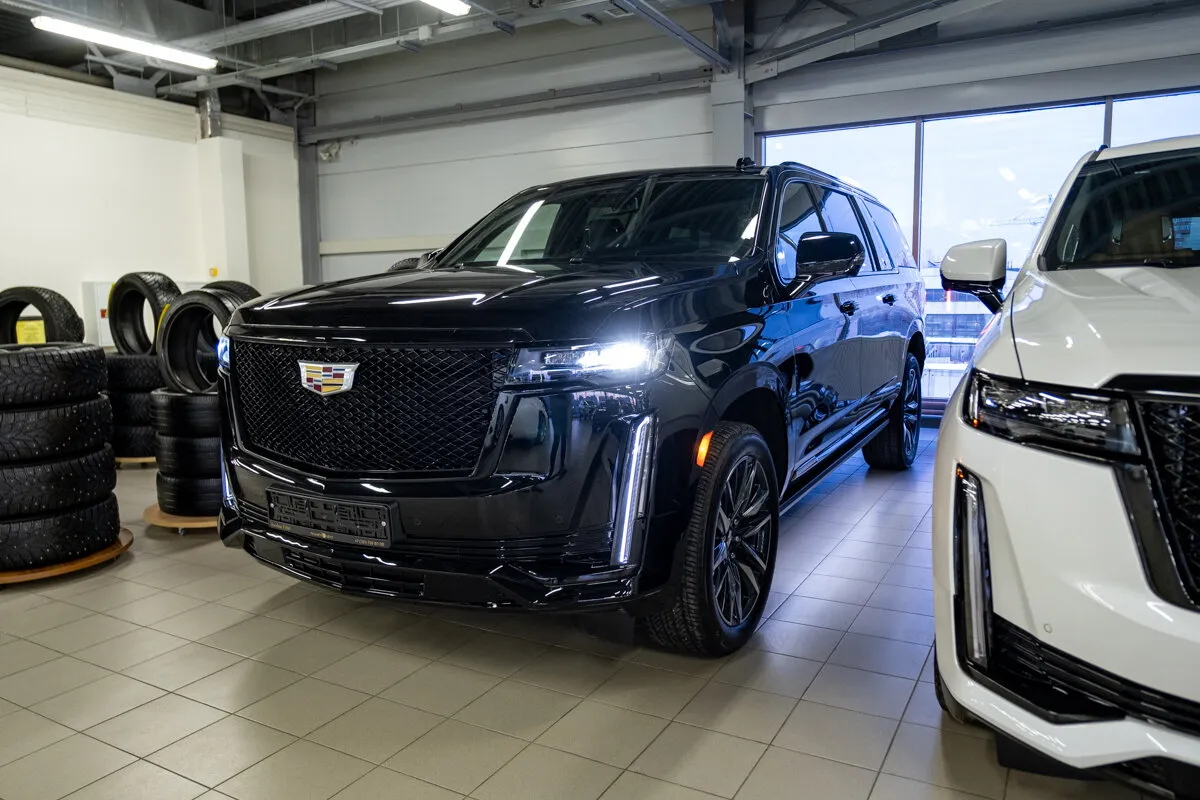
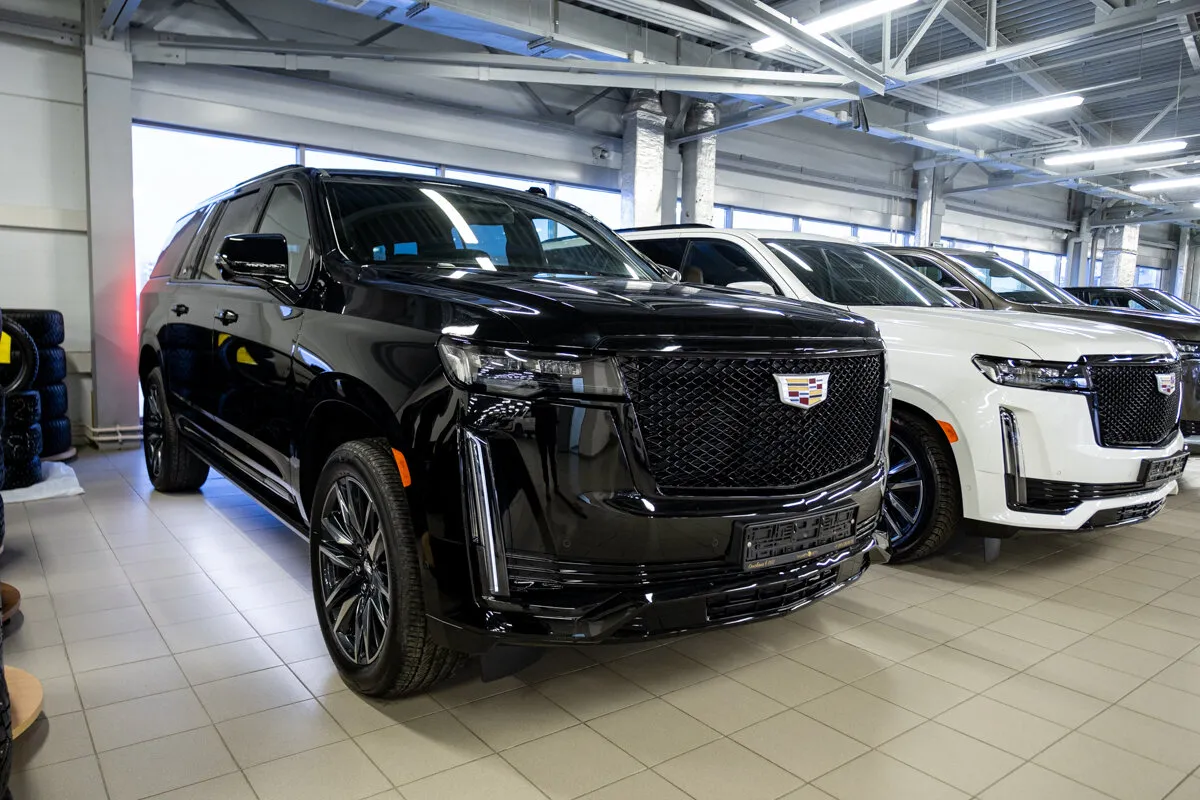
Cadillac Escalade ESV (5th Gen) Tuning Guide 2026 — Body Kits, Wheels & Performance


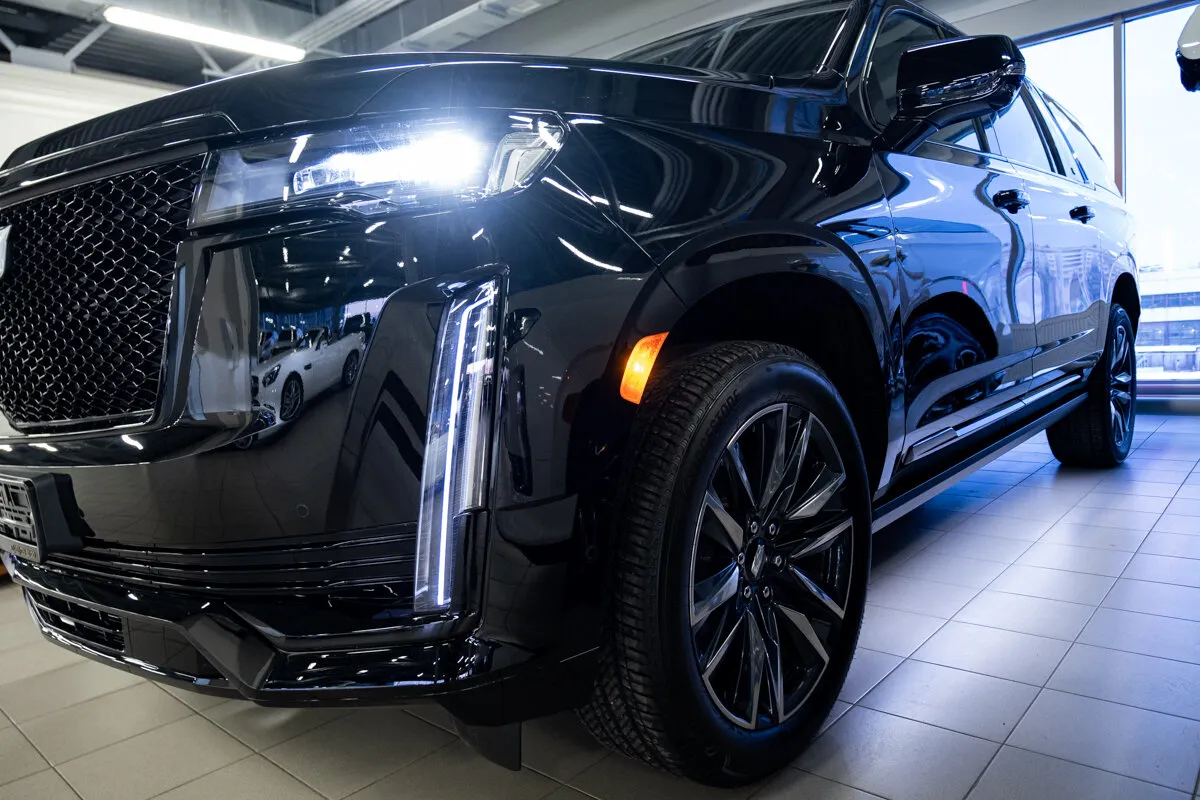
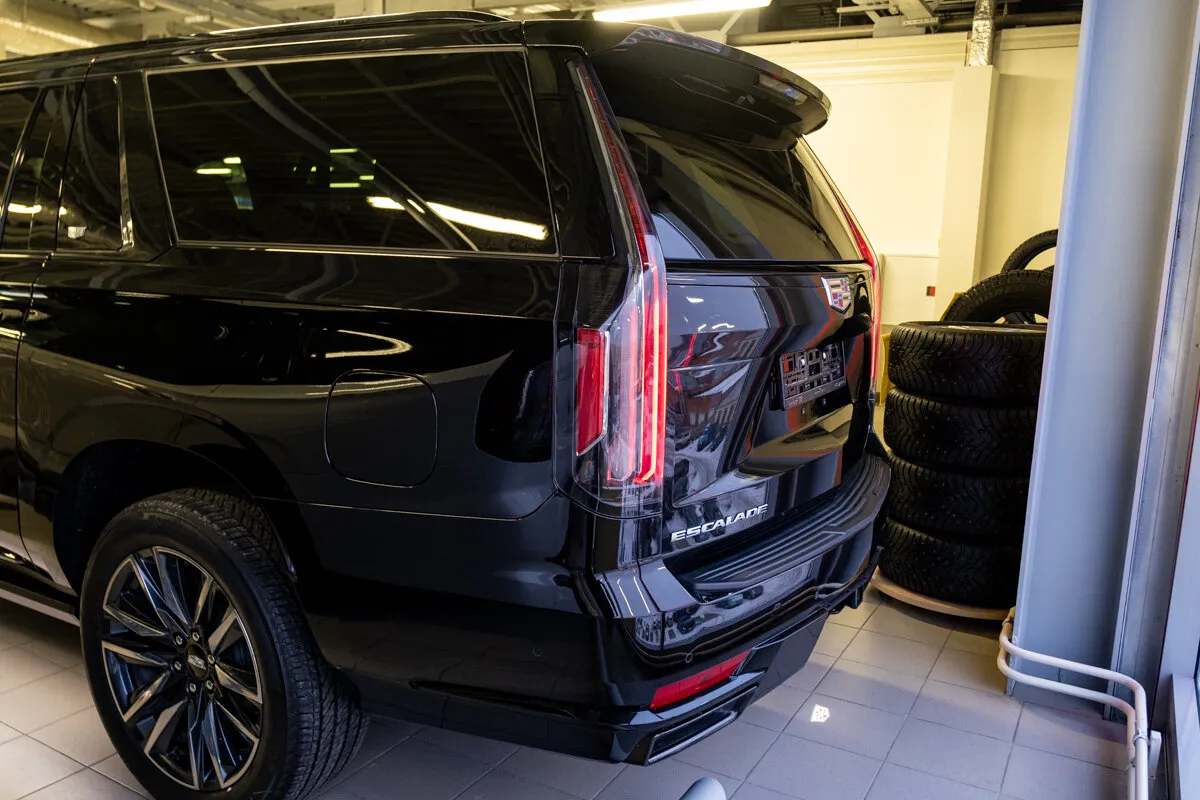
The Cadillac Escalade ESV (5th generation, 2021+) is the long-wheelbase flagship of GM's body-on-frame SUV line, sharing its GMT T1XX platform with the Tahoe, Suburban and Yukon XL but wearing Cadillac's boldest sheet metal and most aggressive technology package. At 226 inches overall (nearly 5.75 metres), it is one of the largest production SUVs sold in the western market, and yet the combination of the 6.2-litre L87 V8 (420 hp / 460 lb-ft), a 10-speed automatic, available four-corner air suspension and GM's Magnetic Ride Control 4.0 makes it surprisingly composed on the road. What it does not do from the factory is look bespoke — and that is where the aftermarket comes in. This guide covers every meaningful upgrade available for the Escalade ESV: body kits, wheels, performance, interior and the technical calibrations that keep everything working once you start bolting larger wheels to the air-ride chassis.
Escalade ESV (5th Gen) — Key Specifications
Body Kits — Programmes That Actually Fit the 5th-Gen ESV
Renegade Design — Full Exterior Package
Renegade Design was one of the first European studios to develop a complete aero programme for the 5th-generation Escalade and the long-wheelbase ESV. The kit is produced in high-grade fibreglass with moulded-in carbon insert options for the bonnet and the central splitter. It includes a front bumper overlay with integrated LED DRL bar, side skirts that visually lower the T1XX's tall rockers, wheel-arch extensions (around 30–40 mm per side), a rear bumper with integrated diffuser and twin central tailpipe cut-outs, plus a tailgate spoiler. On the ESV the side skirts are lengthened to match the 85 mm wheelbase stretch versus the regular Escalade, which means you cannot share parts between the two bodies — ordering ESV-specific fitments is mandatory. Typical paintwork adds 15–20 working days.
Hennessey Performance — HPE800 Escalade-V
Hennessey Performance in Sealy, Texas targets the Escalade-V specifically with the HPE800 upgrade. The programme takes the factory LT4 supercharged 6.2 V8 (682 hp) and lifts output to a conservative 805 hp and 1,032 Nm (761 lb-ft) at the crank via a smaller supercharger pulley, high-flow cold-air intake, Hennessey-calibrated ECU, upgraded fuel system and a stainless exhaust with optional active valves. Hennessey claims a sub-4.0-second 0–60 mph for the ESV-V, which, given the kerb weight of roughly 2,800 kg, is genuinely shocking. Every HPE800 comes with serial-numbered engine plaques, exterior badging, chassis validation on Hennessey's own test track and a 3-year/36,000-mile limited warranty. It remains the fastest route to repeatable big-SUV performance for ESV owners.
Lexani Motorcars — Coachbuilt VIP Interiors
Lexani Motorcars in California is the reference name for coachbuilt VIP conversions on American SUVs and is one of the very few shops with an established ESV programme. A typical Lexani build strips the factory second and third rows and replaces them with two captain's thrones in semi-aniline leather with full recline, heating, ventilation and massage, a high-gloss wood or carbon centre console with refrigerator, a 4K ceiling monitor, Alcantara headliner, ambient fibre-optic lighting and a partition divider between the driver and the rear cabin. Exterior touches are deliberately restrained — badging, custom grille, forged wheels — because the point of a Lexani ESV is that it looks OEM-plus from the outside and like a jet cabin inside.
Becker Automotive Design — Armoured & Mobile Office Conversions
Becker Automotive Design in Oxnard, California, is the benchmark for ESV-based mobile offices and discreet executive transport. The Becker ESV platform stretches the wheelbase where required, adds soundproofing that rivals a Rolls-Royce, integrates a full rear mobile-office suite with reclining seats, multiple screens, satellite communications, secure document storage, a bar and a refrigerator. Optional armouring up to VR6/VR7 equivalent is available through Becker's partner shops, with suspension and brake upgrades to compensate for the extra mass. Lead times are typically 4–8 months and pricing starts well into six figures, but for heads-of-state and executive fleets, it is the definitive ESV build.
Road Armor & Paramount — Off-Road Focused Styling
For owners who prefer a harder, more utilitarian look, Road Armor (Texas) and Paramount Automotive produce heavy-duty steel or aluminium front and rear bumpers, grille guards, tube step bars and roof light-bar mounts that bolt directly to the T1XX chassis points. These kits are genuinely functional — winch-capable front bumpers, approach-angle improvements, skid plates — but they also give the ESV a distinctive presence. They pair well with 35-inch all-terrain tyres on 20–inch beadlock-style wheels and a modest 1–1.5 inch air-ride lift calibration.
Planning an Escalade ESV build?
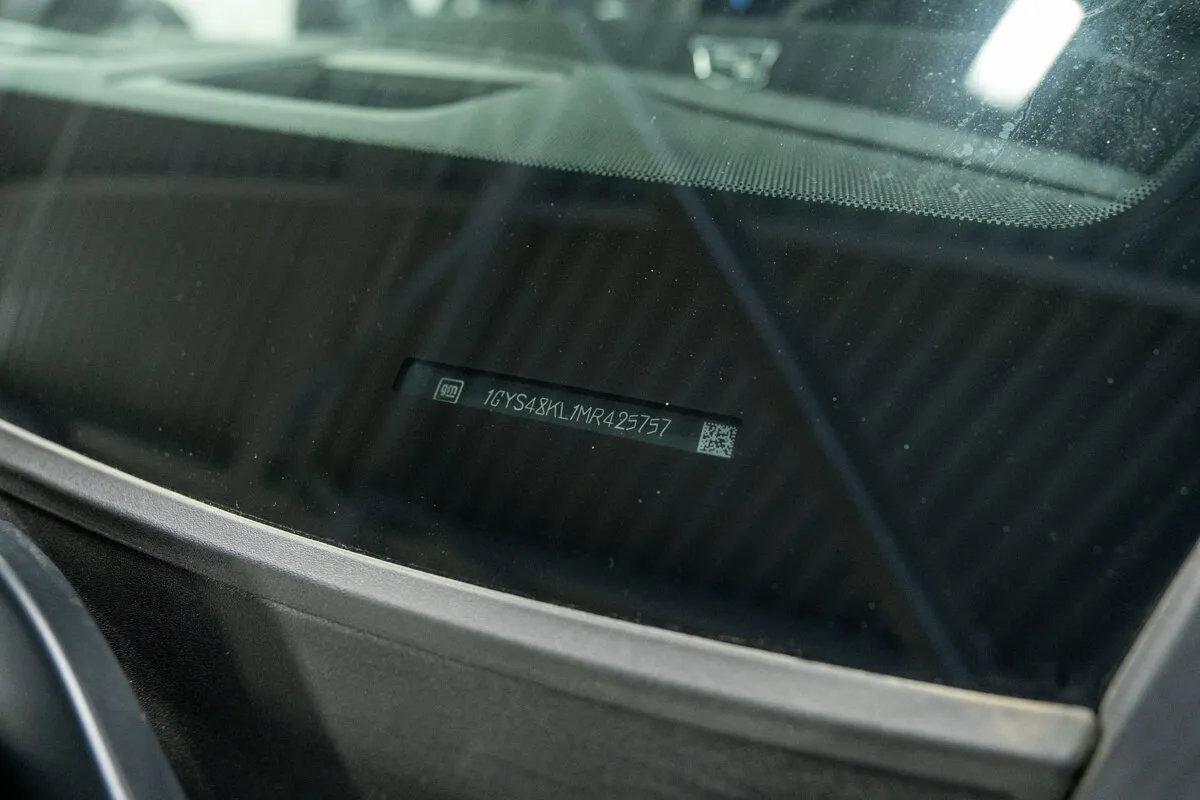
Send your VIN, current wheel and suspension spec and a short brief to [email protected] and we will come back with a full quotation: body kit, wheels, MagneRide/air-ride calibration and worldwide shipping.
Wheels — Sizes, Offsets and Forged Recommendations
The 5th-gen Escalade ESV leaves the factory on 22-inch wheels (9.0J, ET around +28, 6x139.7 bolt pattern, 275/50 R22 tyres) with Platinum trim and Sport Platinum trims running 22x9.5 on the Escalade-V. The body genuinely suits 24s and 26s, but anything above 24" has real engineering implications, which we cover in the dedicated technical section below.
- 24x10 J, ET +24 to +30 — the visually balanced choice on the ESV. Pair with 295/35 R24 tyres. Forged brands that make direct-fit pieces for the T1XX 6x139.7 pattern include Forgiato, AG Luxury, Savini Diamond, Vossen Forged and ANRKY.
- 26x10 J, ET +20 to +28 — the "full presence" fitment, almost always with 305/30 R26 tyres. Requires air-ride height recalibration and, on air-ride cars, a slight lower-front ride-height bias to avoid rubbing on the front arch liner at full lock.
- 28x10 J, ET +15 to +22 — possible on ESVs with coilover conversions (Hennessey or AccuAir programmes), almost never on stock air-ride without visible clearance issues.
- Off-road / overland fitment — 20x9 J, ET +18, with 35x12.5 R20 or 285/65 R20 all-terrain tyres. Forged or cast monoblock styles from Fuel Forged and Method Race Wheels work well.
Forged wheels are strongly recommended for anything above 24": the ESV's unladen front axle sits around 1,500 kg, and the torque spikes from even a mild Stage 1 tune on the LT4 will destroy a cast 26" wheel over a pothole. Expect around 11–13 kg per wheel for a quality 3-piece forged 26 vs 18–20 kg for a cast alloy.
Performance — Stage 1, Stage 2 and Exhaust
The Escalade ESV's tuning ceiling depends entirely on engine choice. For the naturally aspirated 6.2L L87, a Stage 1 ECU re-map with a high-flow intake lifts output from 420 hp to around 460–470 hp, with the biggest gain being drivability — throttle response is sharpened and the Active Fuel Management behaviour becomes less intrusive. Stage 2 on the L87, adding long-tube headers, a cat-back exhaust and a re-map, typically returns 490–510 hp.
For the Escalade-V's LT4 supercharged V8, the upgrade path is far more dramatic. A smaller supercharger pulley plus re-tune reliably reaches 780–800 hp (Hennessey HPE800 territory). With a ported blower, upgraded injectors and a 6-rib drive, 850–900 hp is realistic on pump fuel. Beyond 900 hp the bottleneck becomes the 10L90 transmission rather than the engine itself, and Hennessey offers a reinforced converter and valve-body package for cars running sustained high boost.
Exhaust options worth specifying: Borla ATAK or S-Type cat-back, MagnaFlow xMOD Series, Corsa Sport or Xtreme, and for the V specifically, the Hennessey stainless system with electronic valves. All of these retain OEM-style hangers and tips but can be ordered with polished or black-coated quad tips to match the aftermarket rear diffuser.
Interior — What Actually Gets Upgraded
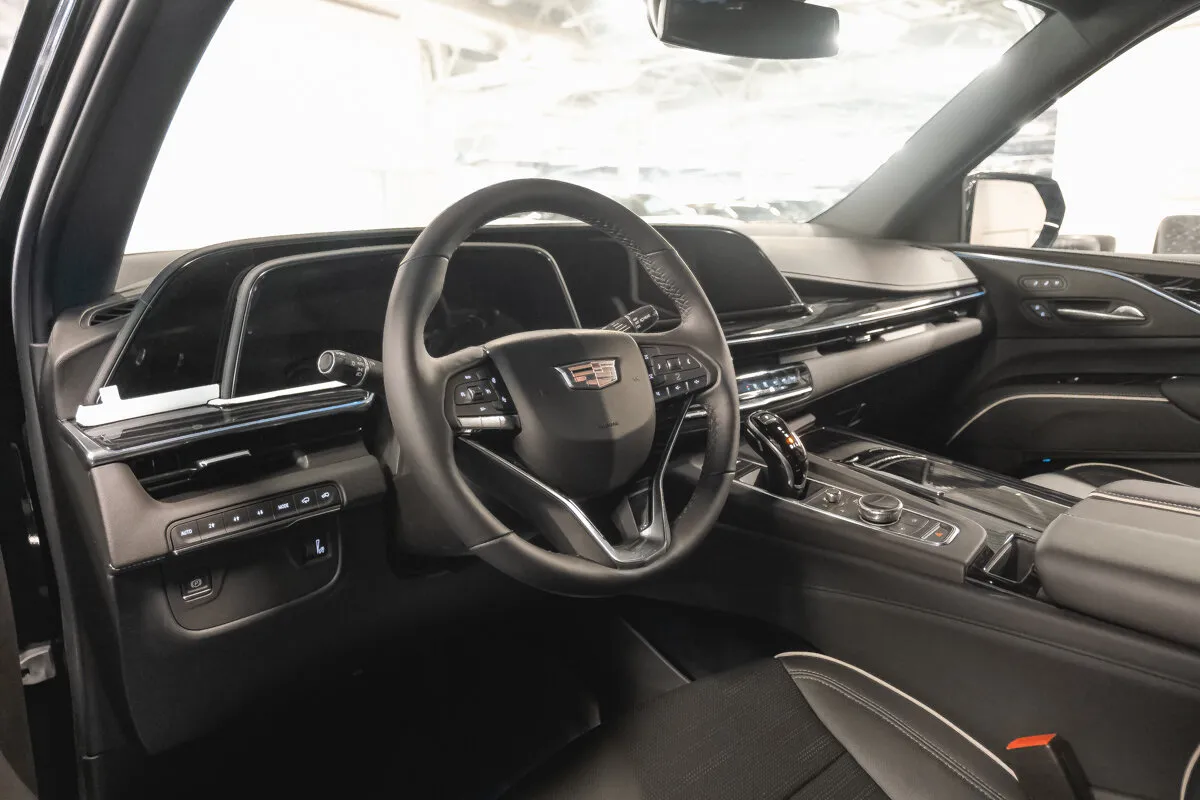
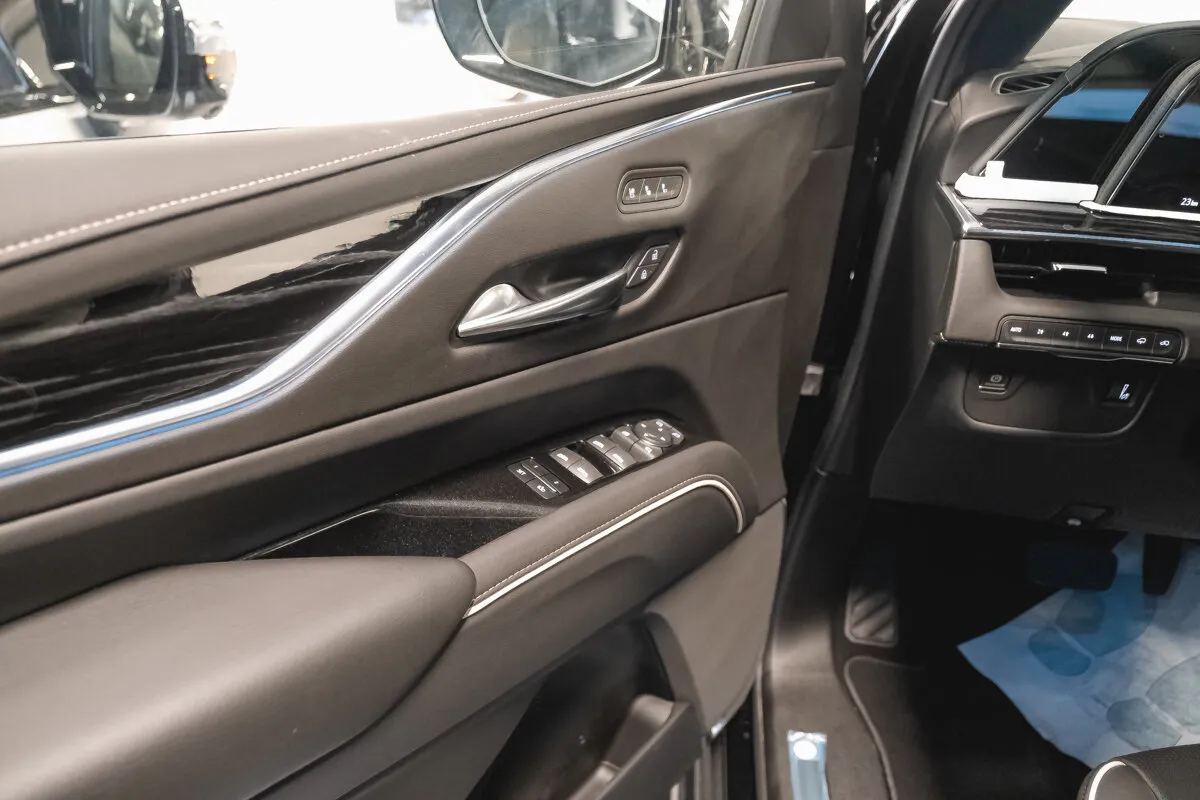
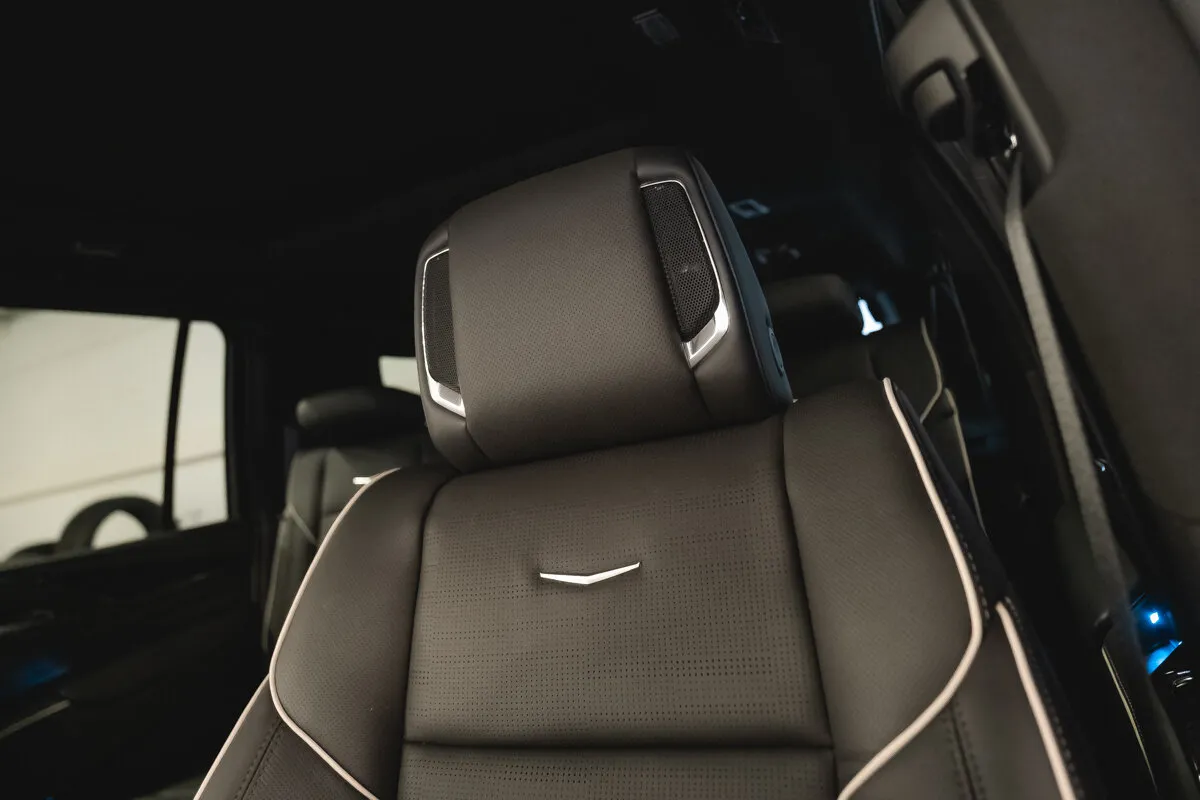
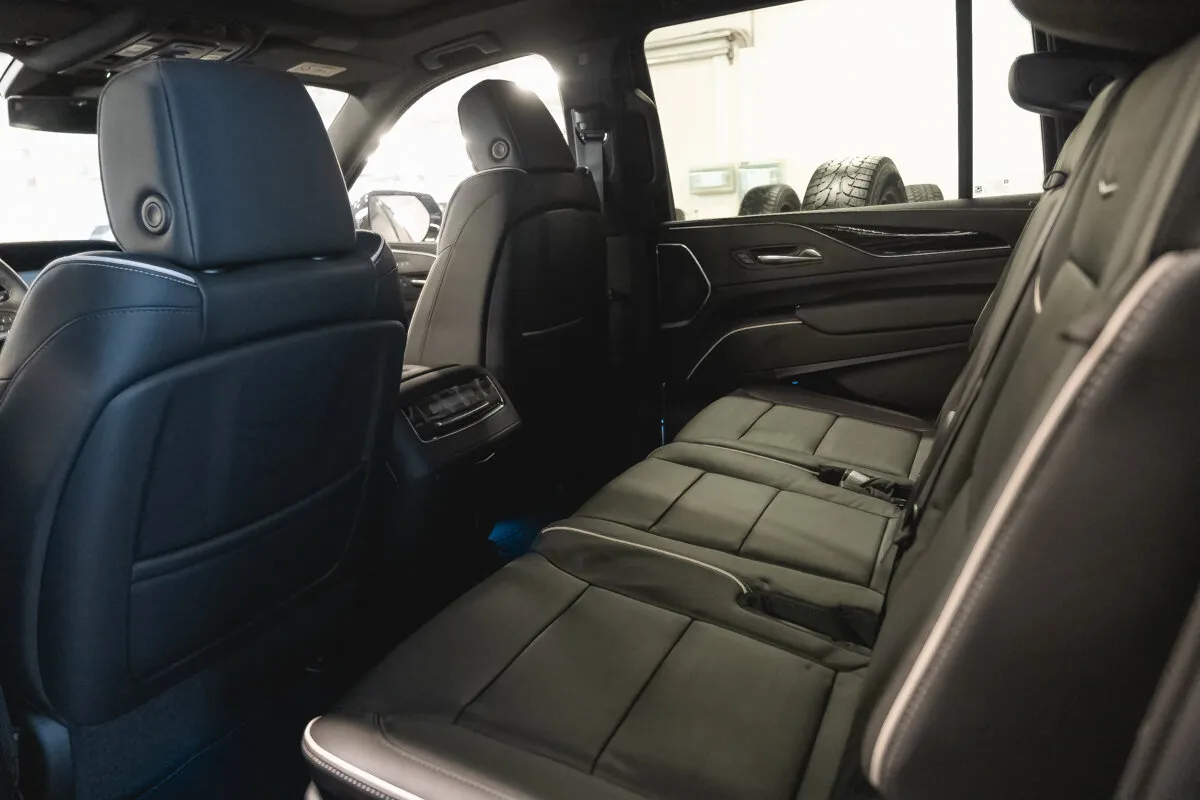
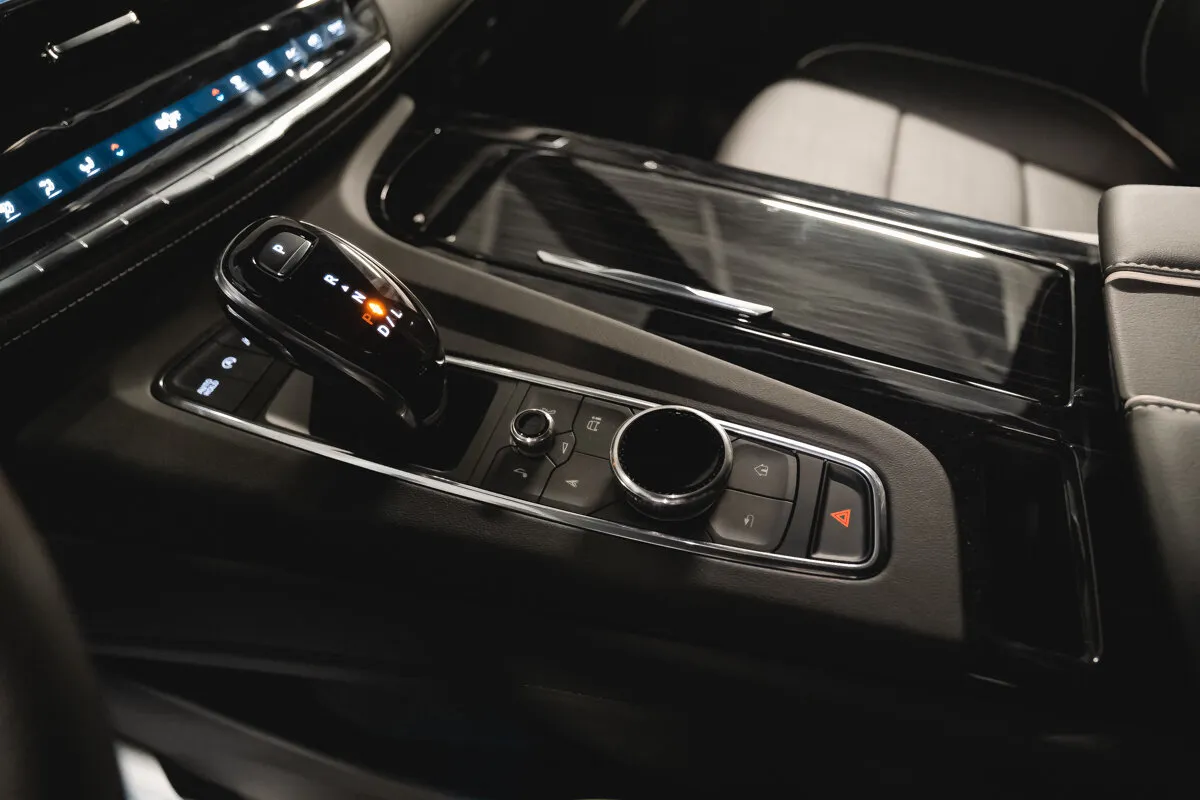
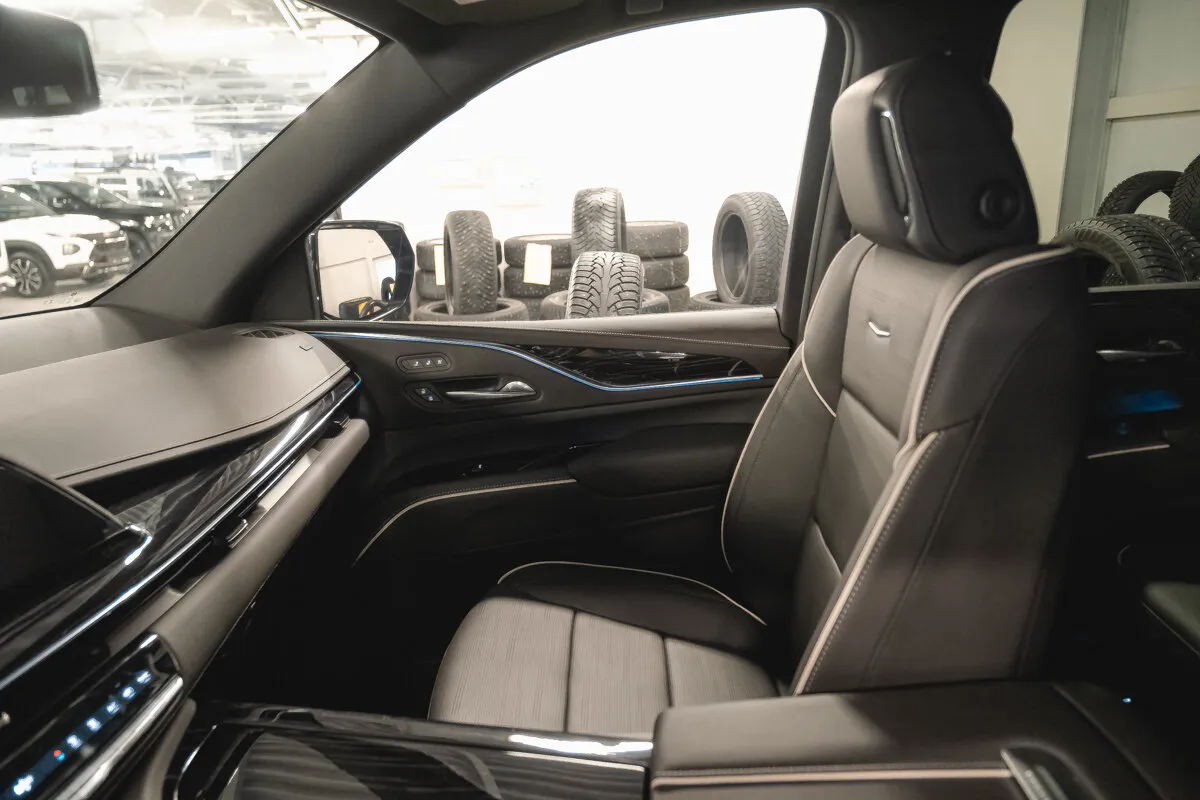
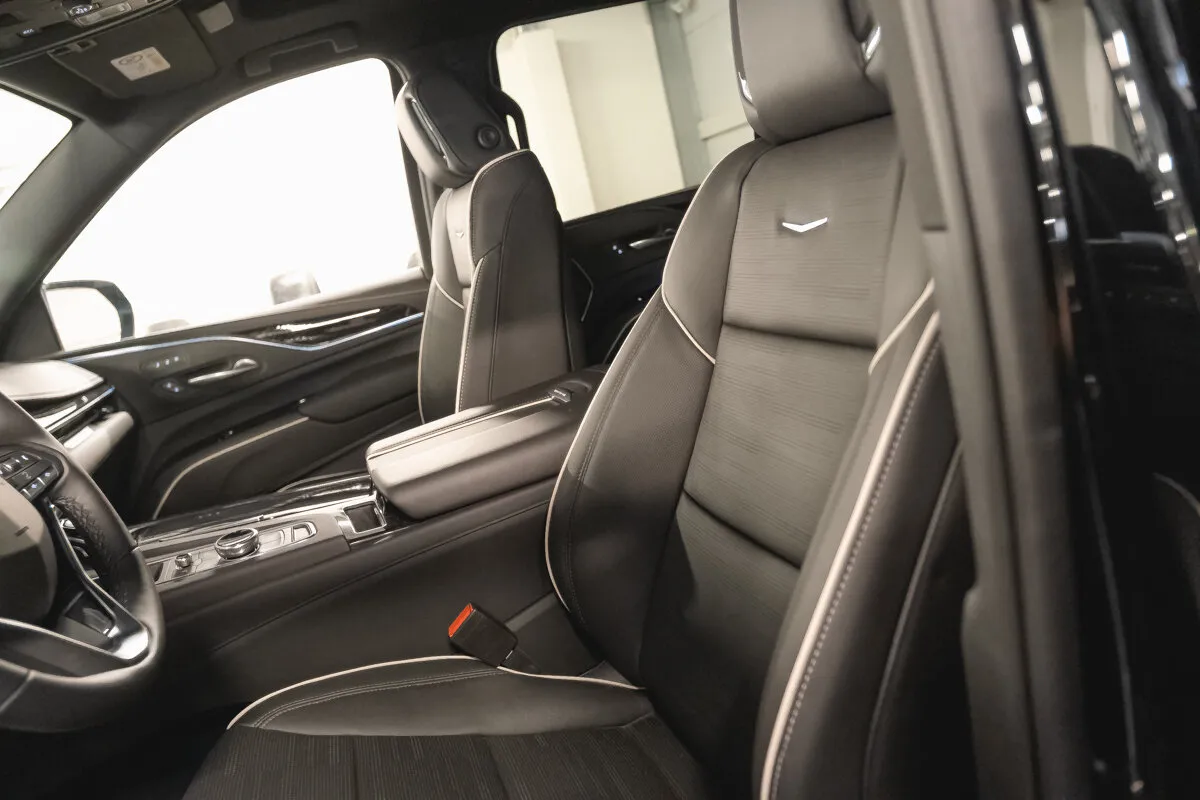
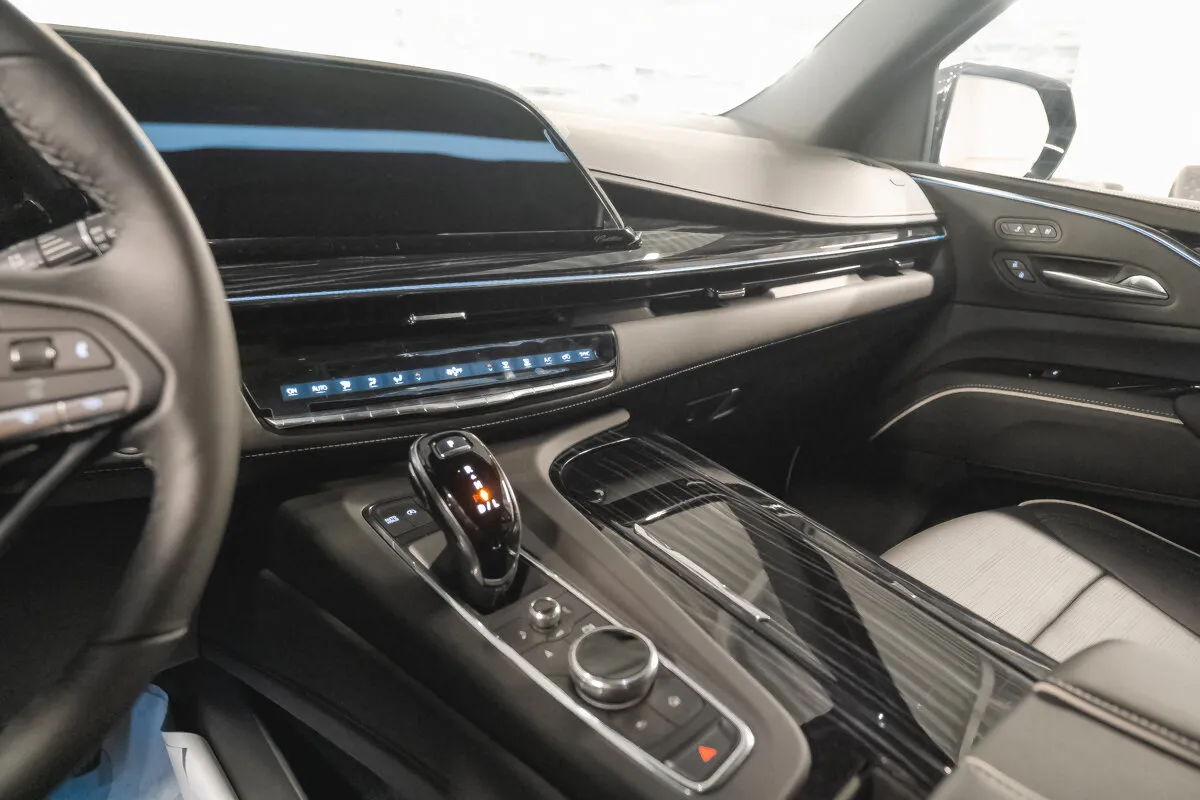
The factory ESV already ships with one of the largest centre screens in the industry (a 38-inch curved OLED on Premium Luxury and above) and Cadillac's Super Cruise hardware, so most interior tuning effort is focused on materials rather than technology. Typical aftermarket upgrades include Nappa or semi-aniline leather re-trim of all three rows, Alcantara headliner, bespoke wood or carbon dashboard inserts, crystal gear selectors, lounge-style second-row captain's chairs (Lexani, Becker, Klassen) and rear-seat entertainment systems with dual 4K screens and wireless headphones.
Inside the Air Suspension & Magnetic Ride — What to Calibrate When You Lift the Wheels
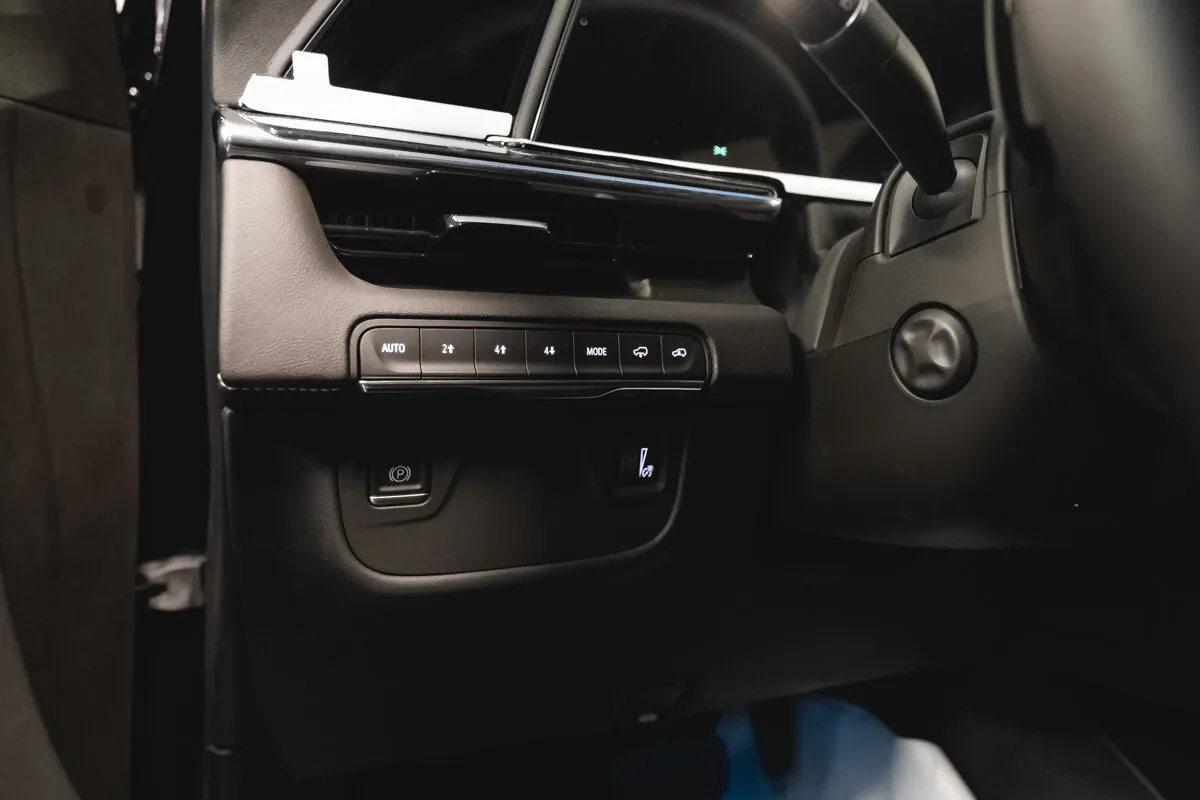
The Escalade ESV (5th gen) runs one of GM's most sophisticated chassis packages: Air Ride Adaptive Suspension at all four corners combined with Magnetic Ride Control 4.0. The air system uses a single compressor feeding four air springs via a central valve block; ride height has three set-points (Entry/Exit around -50 mm, Normal, Off-Road +50 mm) and the module decides automatically based on speed and door-open signals. MagneRide 4.0 changes damper viscosity up to 1,000 times per second via magneto-rheological fluid, reading wheel position, body accelerations and steering input to manage pitch, roll and single-wheel impacts.
The problem with fitting 26" or 28" wheels is not simply geometric clearance — it is unsprung mass. Every extra kilogram at the wheel multiplies what the MagneRide damper has to counteract, and the factory calibration is matched to a 22" wheel of roughly 19 kg with a 275/50 tyre. Jump to a 26" forged wheel at 13 kg but with a 305/30 tyre that weighs 17 kg, and total unsprung mass actually climbs slightly; more importantly, rotating inertia rises sharply because mass is further from the hub.
Without recalibration you will feel two things: sharper impact harshness over expansion joints (because damper response is now undersized for the new inertia), and a slight "float" on motorway undulations as the air-ride self-levelling over-corrects. The fix is a two-part calibration: first, the air-ride ride-height target is lowered by 10–15 mm up front to keep camber curves in their design window; second, the MagneRide damping map is re-flashed with a stiffer high-frequency bias. Hennessey, AccuAir and several European specialists offer this calibration via HP Tuners interface on the GMT T1XX ECU. Budget around 6–8 hours shop time plus a road-test alignment.
Frequently Asked Questions
Does fitting 26-inch wheels void the Escalade ESV warranty?
The factory GM warranty is not voided in full, but any component damaged as a direct consequence of the larger wheel/tyre combination (wheel bearings, air-ride compressor, MagneRide dampers, CV joints) will not be covered. Hennessey and other established installers provide their own supplementary warranty on the modified driveline and suspension components, which in practice covers the most common failure points.
Can the Escalade-V LT4 safely run 800+ hp on pump fuel?
Yes, provided the tune uses 93 octane (US) or 98 RON (EU) fuel and the intercooler circuit is upgraded — Hennessey and similar tuners fit a larger heat-exchanger and a dedicated pump. The LT4 rotating assembly is forged from the factory, which is why the platform tolerates 800–900 hp without internal upgrades. The practical limit on pump fuel is roughly 850 hp sustained; beyond that, E85 or a methanol-injection system is the sensible route.
How long does a complete Escalade ESV body-kit installation take?
For a typical Renegade Design full kit, expect 10–12 working days: 2–3 days stripping and test-fitting, 5–6 days in paint (primer, colour, clear, flat and polish), 2–3 days refit and final alignment. If carbon overlays are included, add another 3–4 days for carbon trim and clear-coat curing. Wheel installation with TPMS coding and an alignment adds another half-day.
Do I need to recalibrate Super Cruise after tuning?
Not for engine or exhaust upgrades, but yes for anything that changes ride height, wheel diameter or steering geometry. Super Cruise uses fused data from the forward camera, radars and a high-precision GPS corridor; a wheel-diameter change alters the rolling circumference that the module uses for speed comparison, which can trigger fault codes. A dealer-level Tech 2 / GDS 2 session is required to reset the vehicle speed-sensor calibration and re-align the forward camera.
Available at Hodoor for Cadillac Escalade & ESV
The brands and parts named in this guide that we ship and install for the Escalade family:
- Mansory carbon-fibre full body kit for Cadillac Escalade
- Larte Design body kit for Cadillac Escalade · Larte Design body kit for Escalade V Restyling
- Zero Design body kit for Cadillac Escalade V · Ver2 · Ver1
- SCL Performance "Miriada" body kit for Cadillac Escalade
- Bête Noire "Novaar" widebody kit for Cadillac Escalade IQ Sport
- CEIKA brake system upgrade for Cadillac Escalade ESV
- Mansory carbon front spoiler with LED for Cadillac Escalade
- SCL Performance top spoiler for ESV "Miriada" · mid spoiler
- Carat seat set for Cadillac Escalade
- SCL Performance brake light · DRL
Browse Cadillac Escalade Tuning by Category
- Body Kit — top options 2026
- Exhaust — top options 2026
- Hood — top options 2026
- Rear Diffuser — top options 2026
- Carbon Fiber parts — top options 2026
- Accessories — top options 2026
- All tuning guides — every model in catalogue
Ready to specify your ESV build?
Whether it is a full Renegade Design body kit, a Hennessey HPE800 conversion or a Lexani/Becker interior, Hodoor sources, fits and ships worldwide.
Email [email protected] with your VIN, current spec and build wishlist — we will come back within 24 hours with a full quotation and timeline.